

Marriage is about merging lives, dreams, and often, finances. But beneath the celebratory "I do" and the promise of "for richer or for poorer," lies a crucial, often uncomfortable reality for many couples today: the Debt Merger. Gone are the days when most people entered marriage debt-free, perhaps with just a small car loan. Today's couples often bring student loans, credit card balances, personal loans, and even lingering medical debt into their unions. Ignoring this "financial baggage" can quickly turn marital bliss into financial distress.

In the "old days"—say, twenty or thirty years ago—getting married usually meant a trip to the local high street bank to merge every penny into a single joint account. It was a symbolic "all-in" move. But in 2026, the financial landscape has shifted. We’re marrying later, bringing more individual assets (and debts) into partnerships, and placing a higher value on personal autonomy. Enter the "Yours, Mine, and Ours" Hybrid Model. It’s the middle ground that balances the "we" of a partnership with the "me" of an individual. It’s not about being "halfway in"; it’s about creating a system that prevents friction, fosters trust, and keeps the romance alive when the bills come due.

You've spent months, maybe even years, meticulously planning every detail: the dress, the venue, the guest list, the perfectly curated playlist. The day itself was a blur of joy, emotion, and celebration – a real-life fairytale. Then, as quickly as it began, it’s over. The last guest has left, the final thank-you notes are being drafted, and the honeymoon glow is beginning to fade. And then it hits. A feeling of emptiness, sadness, or even outright anxiety. Welcome to the often-unspoken phenomenon of the "Post-Wedding Blues."

Have you ever found yourself standing in the grocery aisle, paralyzed by the price of a name-brand cereal, even though your bank account is perfectly healthy? Or perhaps you feel a compulsive need to spend every windfall the second it hits your palm, as if the money might evaporate if you don't use it now?

The UK is notoriously spoilt for choice. We have ancient castles that predate standard plumbing, rolling hills straight out of a Jane Austen novel, and gritty urban spaces that define industrial chic. But in 2026, the definition of a "dream venue" has shifted. Couples are no longer just looking for a pretty backdrop for Instagram; they are seeking an experience. They want sustainability credentials, immersive environments, and spaces that reflect their specific personalities rather than a cookie-cutter package.
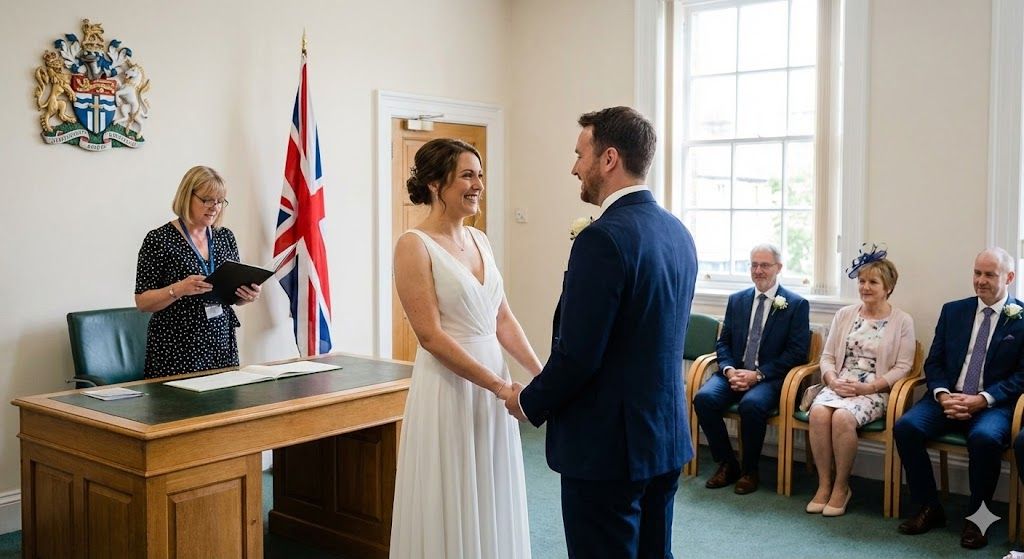
In England and Wales, you must "give notice" at your local register office at least 28 clear days before your ceremony. Because you also need to have lived in your registration district for at least seven days before giving notice, the total timeline from "let’s do this" to "I do" is typically about 35 to 40 days. Scotland follows a similar timeline. You must submit your Marriage Notice (M10) forms to the registrar at least 29 days before the wedding.

When you hear the term "all-inclusive," your mind likely drifts to white sandy beaches and swim-up bars in the Caribbean. But by 2026, a new wave of stress-free luxury has taken hold right here in the UK. Couples are increasingly trading the logistics of booking separate restaurants and activities for the seamless ease of a "one-and-done" price tag.
The classic dinner-and-a-movie date has its charms, but by 2026, the definition of romance has shifted toward the extraordinary. Couples are no longer just looking for a thread-count high enough to get lost in; they are seeking stories. They want to wake up to the sound of rustling leaves thirty feet in the air or watch the moon rise from the porthole of a converted lighthouse.

When we think of marriage, we usually picture confetti, cake, and romantic vows. We rarely think about tax legislation or next-of-kin status. Yet, once the honeymoon is over, the legal contract of marriage remains one of the most significant financial and legal partnerships you can enter in the UK. While many couples successfully cohabit long-term, the law still treats married couples (and civil partners) very differently from those living together. "Common law marriage" is a myth in the UK; without that certificate, you often lack vital safety nets. Here are 10 practical advantages of tying the knot in the UK.
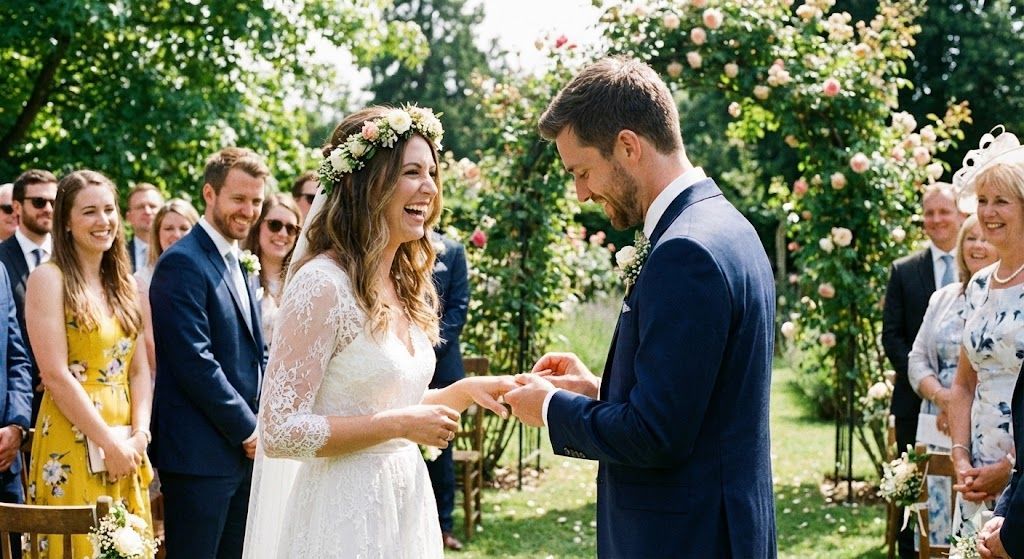
When you picture your future marriage on your wedding day, you’re likely envisioning romantic sunsets, shared laughter, and growing old together. You probably aren’t daydreaming about spreadsheets, utility bills, or debating debt repayment strategies. Yet, once the confetti settles and the honeymoon glow fades, reality sets in. It turns out that "for richer, for poorer" is one of the most testing vows you’ll make. While money doesn't buy happiness, mismanaging it is one of the fastest ways to erode marital bliss. Finance is often cited as one of the leading causes of relationship stress and divorce. But why is a stack of paper and metal coins so emotionally charged? Because in a marriage, money is rarely just about math. It’s about security, freedom, values, and trust. Here is why getting on the same financial page is crucial for a healthy, lasting marriage.